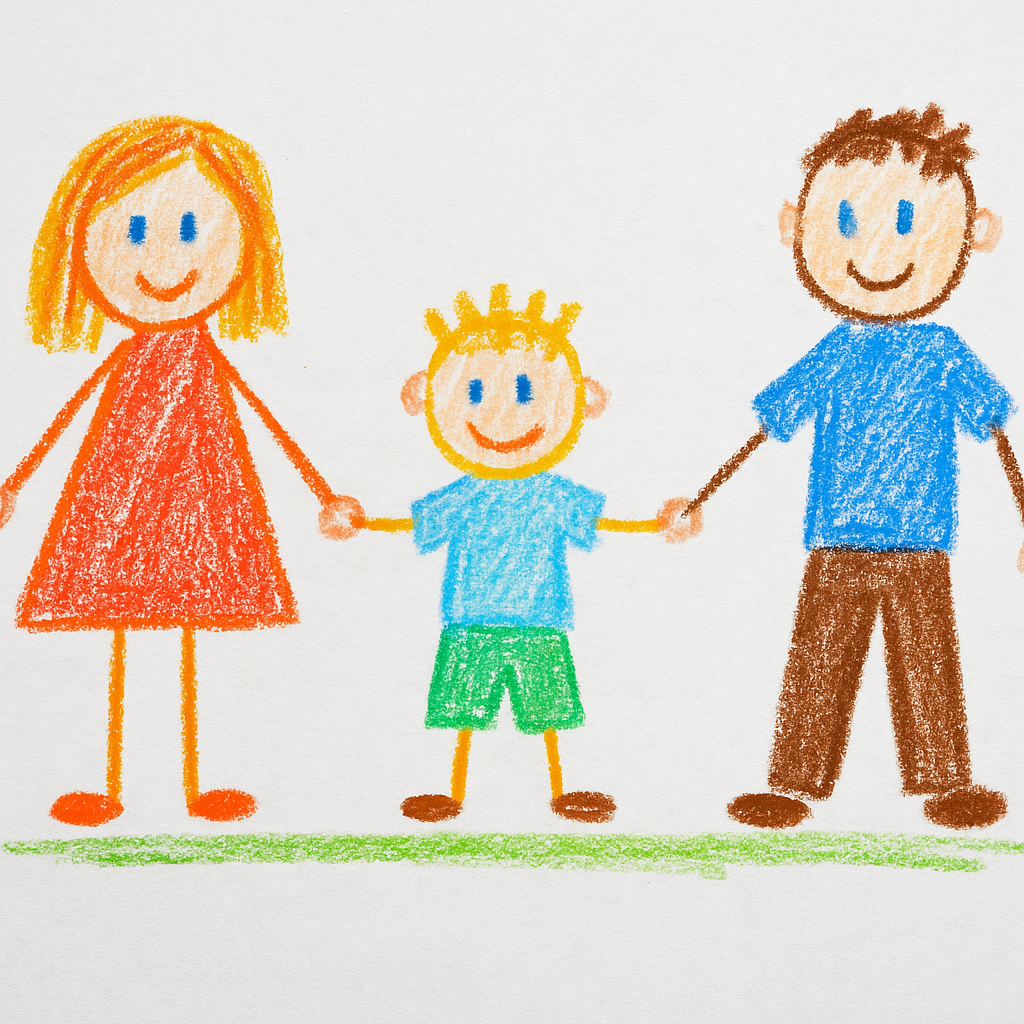
Separation is one of the hardest transitions a couple can face. It brings grief, anger, and fear about the future. When children are involved, the stakes feel even higher. In this Couples in Crisis story, I want to explore what happens when the pain of separation collides with the task of co-parenting — and what it really means to put children first.
When Emma and James sat down in therapy
Emma and James had been married for twelve years. By the time they came into therapy, the relationship had unravelled beyond repair. James had already moved into a rented flat nearby, and Emma remained in the family home with their two children, aged seven and nine.
They were determined, they said, not to be like their parents. Both had grown up with divorced parents and remembered the shouting, the silence, the tug-of-war over weekends. “I don’t want our kids to go through that,” Emma said firmly. James nodded. “But every time we try to talk about the children, it ends in an argument.”
Their story is one that many parents recognise: the desire to protect children during divorce, but the struggle to manage conflict and communication when emotions are raw.
The hidden conflict
On the surface, Emma and James agreed on what mattered: that their children should feel loved, safe, and not caught in the middle. Yet in practice, their unresolved hurt kept leaking into parenting conversations.
Emma accused James of being “selfish” for wanting equal time with the children when she felt they needed stability at home. James felt excluded and feared becoming a “weekend dad.” Their children began to notice. The older child became quiet and withdrawn; the younger started having nightmares.
Neither parent wanted this, but both were stuck in their pain.
Why separation hurts parenting
From a therapeutic perspective, separation stirs up powerful emotions: rejection, guilt, anger, grief. When these feelings aren’t processed, they often get projected into parenting disputes. Arguments about bedtime, handovers, or holidays are rarely just about logistics — they’re about deeper fears of loss, identity, and fairness.
Children, however, experience the conflict differently. They don’t care whose “turn” it is. What they feel most is tension. They may start to believe they have to take sides, or worse, that they caused the separation.
Putting children first during separation doesn’t mean ignoring adult pain. It means finding ways to manage that pain so it doesn’t spill over onto little shoulders.
Practical steps towards co-parenting after separation
In therapy, Emma and James began to:
- Keep children out of the middle: no passing messages through them, no venting about the other parent in front of them.
- Create consistency: agreeing on shared routines (bedtimes, homework, screen time) across both households helps children feel secure.
- Communicate like co-parents, not ex-partners: treating discussions about the children as a kind of business meeting, with calmness and clarity.
- Support the child’s bond with both parents: even when it felt painful, they reassured the children that it was okay to love and enjoy time with both Mum and Dad.
- Seek support for themselves: using therapy as a space to grieve and process the loss, so that their children didn’t carry that weight.
Creating a parenting plan together can also reduce conflict and give children a clear sense of security. Organisations like Cafcass provide free resources to help separated parents make arrangements that truly prioritise their child’s best interests.
These steps may sound simple, but they are powerful in practice. They help create a stable co-parenting relationship where children know they remain the priority.
The long view: Parenting together apart
What Emma and James discovered is that co-parenting after separation is not a one-time decision but an ongoing process. As their children grew older, new challenges emerged: school trips, birthdays, and the introduction of new partners. Each stage required renegotiation and flexibility.
One of the most important shifts they made was learning to view each other not as ex-spouses, but as partners in parenting. This reframing helped reduce the sting of old resentments and opened space for cooperation. It didn’t mean they always agreed, but it meant they could disagree without their children paying the price.
Research shows that children do best after divorce when parents can maintain low conflict, consistent routines, and open communication. What matters most isn’t whether children live primarily with one parent or split their time equally — it’s the quality of the emotional environment they’re raised in.
Emma and James’s journey wasn’t perfect, but it was enough. By putting their children’s needs at the centre, they created a more peaceful separation and gave their children permission to keep loving both parents freely.
If this feels familiar
If you’re navigating separation, you’re not alone. Many parents discover that the hardest part isn’t dividing assets or signing papers. It’s learning how to co-parent after divorce.
Putting children first doesn’t mean pretending you aren’t hurting. It means ensuring your children feel loved, safe, and free from adult conflict.
If conversations with your ex-partner always turn toxic, mediation or therapy can provide a safer space to rebuild communication. You may not be able to stay together, but you can still commit to raising your children with care, consistency, and respect.
✨ Separation changes the shape of a family, but it doesn’t have to break the foundation of love and security that children need most.
If you’d like support with co-parenting after separation or guidance on how to put your children first during this transition, I can help.
👉 Book an appointment with me here to explore how therapy can give you and your family the tools to move forward with more calm, clarity, and care.